Imagined Landscape
September 2025
When I was working in architectural design, there was something I often found curious. Each person involved in a project—the client, architect, structural engineer, landscape architect, contractor, and even the administrative authorities—had, to a greater or lesser extent, an “image” in their minds, and that image seemed to strongly drive them, myself included. Even laws for architecture sometimes seemed to carry a powerful image behind them. And once such images were drawn in the mind, they were rarely overwritten; they were preserved as each person’s image of justice. At times, they went beyond any kind of rationality, never reaching resolution, and continued in parallel lines.
So, how are such “images” actually formed?
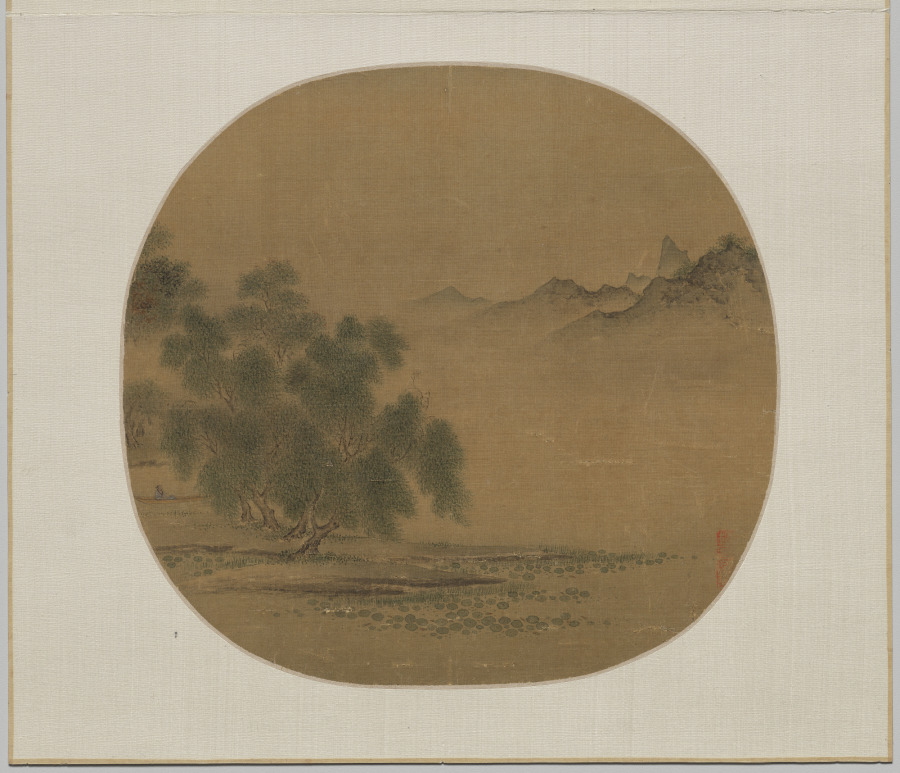
Looking back through history, I think one of the early examples of people imagining ideal landscapes and depicting them in paintings may be found in the wenrenhua (literati painting) of the Northern Song dynasty in China around the 10th century. These were painted not by professional artists, but by members of the educated elite, for themselves or to share with friends. What they painted were not actual landscapes, but idealized mountains and waters envisioned in their minds. Often, a small figure looking out over distant ranges was included, conveying the feeling of wanting to withdraw from the mundane world. Seen from today’s perspective, it might have been something like creating your own VR and showing it to friends.
What is even more interesting is that these wenrenhua, along with other forms of landscape painting, did in fact have a major influence on garden culture, including in Japan. One place that seems to strongly reflect this spirit is Entsu-ji in Kyoto, built in the 17th century, which I often visited as a student. From the main hall, the garden composition incorporates Mount Hiei in the distance as borrowed scenery. It is as if the structure of a landscape painting had been realized in garden design: the trimmed shrubs and trees in the foreground create a frame, and Mount Hiei appears like a faraway dream. Interestingly, today there are zoning regulations around the temple area to restrict building heights so that the view toward Mount Hiei remains unobstructed.
By the 18th century, wenrenhua had spread widely among the general public in Japan. Samurai, townspeople, and even fishermen painted landscapes of mountains and waters, nature, or people resting within them. At that time, the Jieziyuan Huazhuan (Mustard Seed Garden Manual of Painting), a woodblock-printed painting manual published in China, was widely available. It carefully explained the philosophy of painting as well as how to depict various motifs. People picked it up, painted in their own ways, and showed their works to friends, creating a foundation through which ideal landscapes seemed to be shared.
想像された風景
設計の仕事をしていたころ、不思議に思うことがあった。施主、建築家、構造家、造園家、施工者、行政機関、、建築に関わる人々それぞれの頭の中には、大なり小なり「イメージ」があって、そのイメージが強烈に自身を含めて皆を動かしているように思えたことだった。建築のための法律でさえ、その背後に強いイメージを感じることがあった。そしてそれらのイメージは、一度脳裏に描かれるとなかなか上書きされず、それぞれの正義のイメージとして保持されて、ときにはあらゆる合理性を超えて決着せず、平行線をたどり続けることもあった。
では、その「イメージ」とはどのように作られるのだろうか。
歴史をたどると、理想の風景を想像し、絵として描く行為が広まったのは、10世紀ごろの中国・北宋時代の文人画が例としてさかのぼれるかと思う。画家ではない知識層の人々が、自身のために、あるいは友人と共有するために描いたものだった。彼らが描いたのは実際の風景ではなく、心の中で思い描いた理想の山や水の景色だった。そこには遠くの山並みを眺める小さな人物が描かれ、俗世から離れたいという気持ちがにじんでいる。現代的に言えば、自作のVRを友人と見せ合うような体験だったのかもしれない。
さらに興味深いのは、こうした文人画を含む山水画が、日本をふくむ庭園文化に大きな影響を与えたことだった。学生のときによく通った京都の円通寺も、17世紀に建てられたものでその精神を色濃く受けているひとつのように思う。境内の広間から遠くの比叡山を借景として取り込む構成は、まさに山水画の構図が造園的に現実化されていて、目の前の刈込みと立木がフレームとなって、比叡山がまるで遠い夢のように見える体験をつくりだしている。興味深いことに、現在ではその眺めを守るため、比叡山への視界を遮らないよう周辺に高さ制限の条例が設けられている。
18世紀になると文人画は日本で大衆に広まった。武士や町人、さらには漁師までが山水や自然、あるいはその中でくつろぐ人々を描いた。当時、中国で刊行された「芥子園画伝」と呼ばれる木版画の教本が広く流通し、絵を描く際の哲学やモチーフの描き方を丁寧に解説していた。人々はそれを手に取り、思い思いに描き、友人と見せ合ったりして、理想の風景が共有される土台が作られていたようだった。
Image courtesy of the Cleveland Museum of Art